
Could you have a zinc deficiency? The following signs of zinc deficiency are clues that you're just not getting enough:
- Anxiety
- Stretch marks
- Decreased immune response
- Increased susceptibility to viral infections
- Diabetes
- Loss of appetite
- Leaky gut
- Hair loss
- Skin problems (acne, eczema, etc.)
- White spots on the nails
- Slow wound healing
- Anorexia Nervosa
There are several causes and contributors to zinc deficiency other than inadequate zinc-rich foods in the diet:
- poor absorption of zinc due to low stomach acid and other malabsorption conditions
- increased bodily need for zinc, such as in pregnancy, breastfeeding, infancy, and athletic training
- Pyrroles disorder
- copper overload
- vitamin A toxicity
- certain medications, such as diuretics, Proton Pump Inhibitors (PPIs), oral contraceptives, hormone therapy, steroids and immunosuppressants
- increased excretion of zinc from stress, surgery or major injury, excessive sweating or diabetes
As you can see, zinc deficiency is commonplace, so you'll want to know your zinc status and make changes to quickly correct it.
Role Of Zinc
Zinc plays an incredibly vital role in the body, as it's a mineral essential to the function of over 100 enzymes. Sounds pretty important, right? It supports proper immune system function, the production of hemoglobin, reproduction, and healthy growth and development.
Zinc is also often referred to as a hormonal balancer, since it's needed for hormone production and helps support hormonal equilibrium. It's even been considered therapeutic for PMS and conditions associated with excess estrogen.
Low zinc levels can impair the production of secretory IgA - the immune system's first line of defense in the gut - which weakens mucosal immunity. This may leave the gut barrier more vulnerable to inflammation and increased permeability, commonly known as "leaky gut," and can raise the risk of chronic immune and digestive challenges.
How To Get More In Your Diet
The Recommended Dietary Allowance (RDA) for zinc is 11 mg for males and 8mg for females, a value your healthy eating habits may not be getting close enough to.
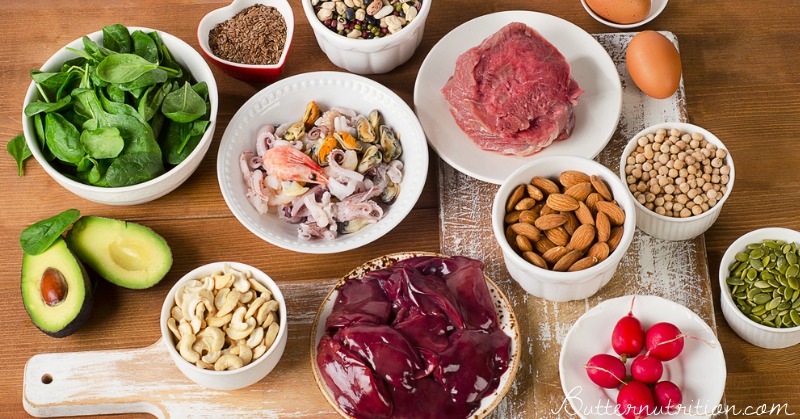
Boost your intake with the following zinc-rich foods:
Oysters (3 ounces, raw): 14.1 mg (**high copper food, not suitable for those with copper overload)
Beef (3 ounces): 5.5-5.8 mg
Lamb (3 ounces): 4.0-4.5 mg
Pork (3 ounces): 2.0-2.5 mg
Chicken breast, skinless (3 ounces): 0.9 mg
Chicken thigh, skinless (3 ounces): 2.0-2.3 mg
Turkey breast, skinless (3 ounces): 1.2 mg
Turkey thigh, skinless (3 ounces): 2.3-2.6 mg
Crab (3 ounces): 4.7 mg
Lobster (3 ounces): 3.4 mg
Eggs (2 large): 1.3 mg
Black beans (3 ounces): .9 mg
Whole milk yogurt (4 ounces): .7 mg
Cashews (1 ounce): 1.6 mg
Milk (1 cup): 1 mg
Cheese (1 ounce): .9 mg
Almonds (1 ounce): .9 mg
It's important to note that plant-based diets are high in phytic acid, a potent zinc absorption inhibitor. Animal proteins on the other hand increase the absorption rate.
Supplementing Zinc
As with any supplement, it's best to know your zinc status before supplementation, to avoid doing any harm.
Chronic zinc supplementation if not warranted can also result in copper, chromium, iron, or manganese deficiency, reinforcing the importance of testing, especially when supplementing zinc for a longer period of time.
Testing For Zinc Deficiency
In my nutrition practice I use a combination of Hair Tissue Mineral Analysis and plasma zinc lab testing as my gold standard for detecting zinc deficiency. It's also important to use 'optimal ranges' and not just the standard lab ranges when interpreting your results. I also find comprehensive mineral testing to assess overall mineral balance a vital approach for optimizing your own nutrition and body chemistry.

Ready to find out your zinc status?
Get started right away here or enter your email below to learn all about the best way to understand your own mineral levels with hair analysis.
Are your zinc levels falling short? Please share in the comments!
PIN IT:


References:
- https://lpi.oregonstate.edu/mic/minerals/zinc
- https://www.traceelements.com/Docs/The%20Nutritional%20Relationships%20of%20Zinc.pdf
- https://academic.oup.com/jn/article/130/5/1493S/4686425
- http://nutritiondata.self.com/
- https://www.fertstert.org/article/S0015-0282(16)56884-8/fulltext
- https://pubmed.ncbi.nlm.nih.gov/37364014/
Dr. Nate Moller says
Great article on the importance of zinc! I always encourage patients to try to get their nutrition from eating a better diet. Love the examples on how to increase zinc naturally with food 🙂 Great idea using a hair analysis to determine zinc levels.
D.Sibiga says
The last time my hair was thinning, my dr sent me to hospital to get it checked, she looked at my scalp and there wasn’t a problem, the she sent me for a zinc blood test….I hardly had any zinc in me, so the dr said to get the highest dose zinc I could find (mens dose) so I did40ml and my hair started to improve…..now it’s happened again, I’ve been on a vegetarian diet for some time plus not eating that well, and so I’m loosing more hair again, and most zinc you buy is only 15ml, it’s not enough.
Good job I just read this, it’s woken me up that I need higher dose and more meat in my diet…..
Catherine says
Glad you found it helpful!
Abundantly,
Catherine