
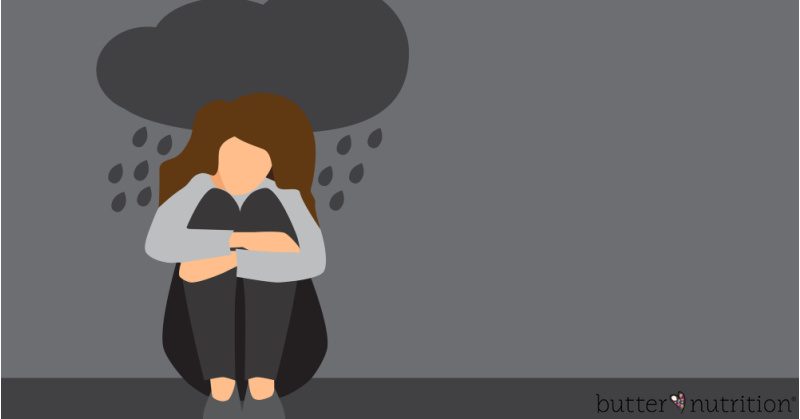
Methylation is complicated, but I'm going to get overly simplistic today to tell you what you need to know about undermethylation.
You may have been told you have a MTHFR (Methylenetetrahydrofolate reductase) genetic variant that has the potential to impact methylation.
The key word here is potential. While genetic testing for MTHFR can be helpful, it can also be counterproductive, especially when there's an inexpensive blood test that can give you precise clues to what is happening with your methylation in the now. You see, genetics only show you what can happen.
What is Methylation?
Methylation is the biochemical process of moving a methyl group (CH3) from one substance to another. In an oversimplification, undermethylators have a shortage of methyl groups and can benefit from getting more methyl donors, whereas overmethylators have too many methyl groups. Both extremes can cause unpleasant and uncomfortable symptoms, many impacting mental health.
Dr. William Walsh, a lead researcher in arena of biochemical illness estimates that 21% of people are undermethylatiors, 9% are overmethylators and around 70% have normal methylation. Knowing your methylation status over your genetic MTHFR status can be extremely helpful if you're accustomed to mental health challenges. Methylation status can be assessed by checking histamine levels in the blood. High histamine can indicate undermethylation, as the methylation process breaks down histamine (suggesting under-activity), whereas low histamine levels can suggest overmethylation (suggesting over-activity). Of course, one can also be a 'normal' methylator with average histamine levels (more on histamine later).
Signs of Overmethylation
According to Dr. William Walsh, the signs of overmethylation are abundant:
- high anxiety
- dry eyes and mouth
- hirsutism
- sleep disorder
- non-competitive
- low libido
- talkative
- strong empathy
- musical/artistic talent
- low motivation during early school years
- obsessions without compulsive actions
- absence of seasonal allergies
- estrogen intolerance
- food and chemical sensitivity
- postpartum depression
- antihistamine intolerance
- adverse reaction to SSRI anti-depressants, Sam-E and methionine [1]
Conditions associated with overmethylation are panic/anxiety attacks, paranoid schizophrenia, ADHD, behavior disorders, and depression. [3]
Causes of Overmethylation
The cause of overmethylation typically boils down to one of the following:
- Impaired creatine synthesis (genetic and/or glycine or arginine deficiency)
- Genetics, such as methyltransferase and/or CBS genetic mutations [3]
Remedy to Overmethylation
Nutrient therapy and dietary interventions can be extremely beneficial to balancing the biochemistry of overmethylators.
Important nutrients to support overmethylators include:
- Folate (overmethylators tend to thrive on folates)
- Niacinamide (B3 helps to mop-up excess methyl groups)
Other supportive nutrients on a case-by-case basis:
- Glycine (collagen can be a good source)
- Thiamine (B1)
- Riboflavin (B2)
- Calcium pantothenate (B5)
- Pyridoxine (B6)
As overmethylators have an excess of methyl groups (the opposite of undermethylators), they should typically avoid supplements that contain methyl groups:
- Methionine
- Sam-e
- TMG (trimethylglycine or betaine)
Other factors to consider:
- Avoiding vitamin A toxicity (can deplete folate + B12)
- Getting adequate sun exposure (for vitamin D and other factors that aid in histamine reduction)
- Improving overall gut health
Overmethylation Debate
Using whole blood histamine levels to assess methylation status is not without controversy. Some big names in the nutrition world detest this method of methylation classification due to blood histamine's ability to be influenced by other factors, such as gut health and diet. Certain opportunistic gut bacteria are histamine-producers and when overgrown increase histamine levels in the body. Such histamine producers include Morganella, Klebsiella, Klebsiella pneumoniae, Pseudomonas, Pseudomonas aeruginosa, Citrobacter freundii, Proteus, and Proteus mirabilis. Histamine is also found in food, so a high histamine diet can impact blood histamine levels.
As someone who regularly tests gut bacteria levels in clients, I absolutely agree that both gut microbiome status and diet can impact histamine levels and should be taken into account when assessing a person's methylation status, but I still think testing blood histamine is an amazing tool to get insight into what is going on right now in regard to methylation.
Knowing a client's methylation status opens up a world of information for how I can best support them and where their body is currently at.
Testing for Overmethylation
Testing for whole blood histamine is the primary tool for helping to identify methylation status. Elevated whole blood histamine suggests undermethylation, whereas low whole blood histamine suggests overmethylation, but other factors and symptoms should always be taken into account. There are also other testing panels available that look at the SAMe/SAH ratio. Testing for methylation status:
- Low whole blood histamine combined with low absolute basophils
- Elevated SAMe/SAH ratio
You can find whole blood histamine testing in a 'blood labs' package here (US only) or grab the Mood eCourse on so you can make sure your body has all the raw materials it needs to support its natural desire for health.
Regardless of your methylation status, methylation imbalances are a sign your liver needs support. Get the data you need on your body so you can give it what it needs!
Does overmethylation sound familiar to you? Please share in the comments!

References:
[1] Walsh Research Institute
[2] Walsh, William. Nutrient Power: Heal Your Biochemistry and Heal Your Brain. Skyhorse; Revised, Updated ed. edition (May 6, 2014).
[3] "The Role of Methylation and Epigenetics in Brain Disorders" presented by William J. Walsh, PhD



Ali says
I thought homocysteine was a good measure for methylation?
Daiva says
I think so too. The author is mixing up homocysteine with histamine.
Catherine says
Homocysteine and histamine are both ways of evaluating methylation.
The more data the better!
Abundantly,
Catherine
Tom says
Hi Catherine,
Just wanted to clarify - when you're saying overmethylators should avoid TMG (trimethylglycine or betaine) - you mean Betaine HCL?
Thank you 🙂
Catherine says
Hi Tom,
TMG and Betaine HCL are different forms. TMG specifically supplies extra methyl donors without any digestive benefit, where as betaine HCL is specifically for increasing the acidity of the stomach.
I'm mostly talking about the TMG form, but it's plausible that larger doses of betaine HCL could be counterproductive for an overmethylator as well.
Abundantly,
Catherine